Home5 Diabetes Symptoms That Appear at Night
5 Diabetes Symptoms That Appear at Night
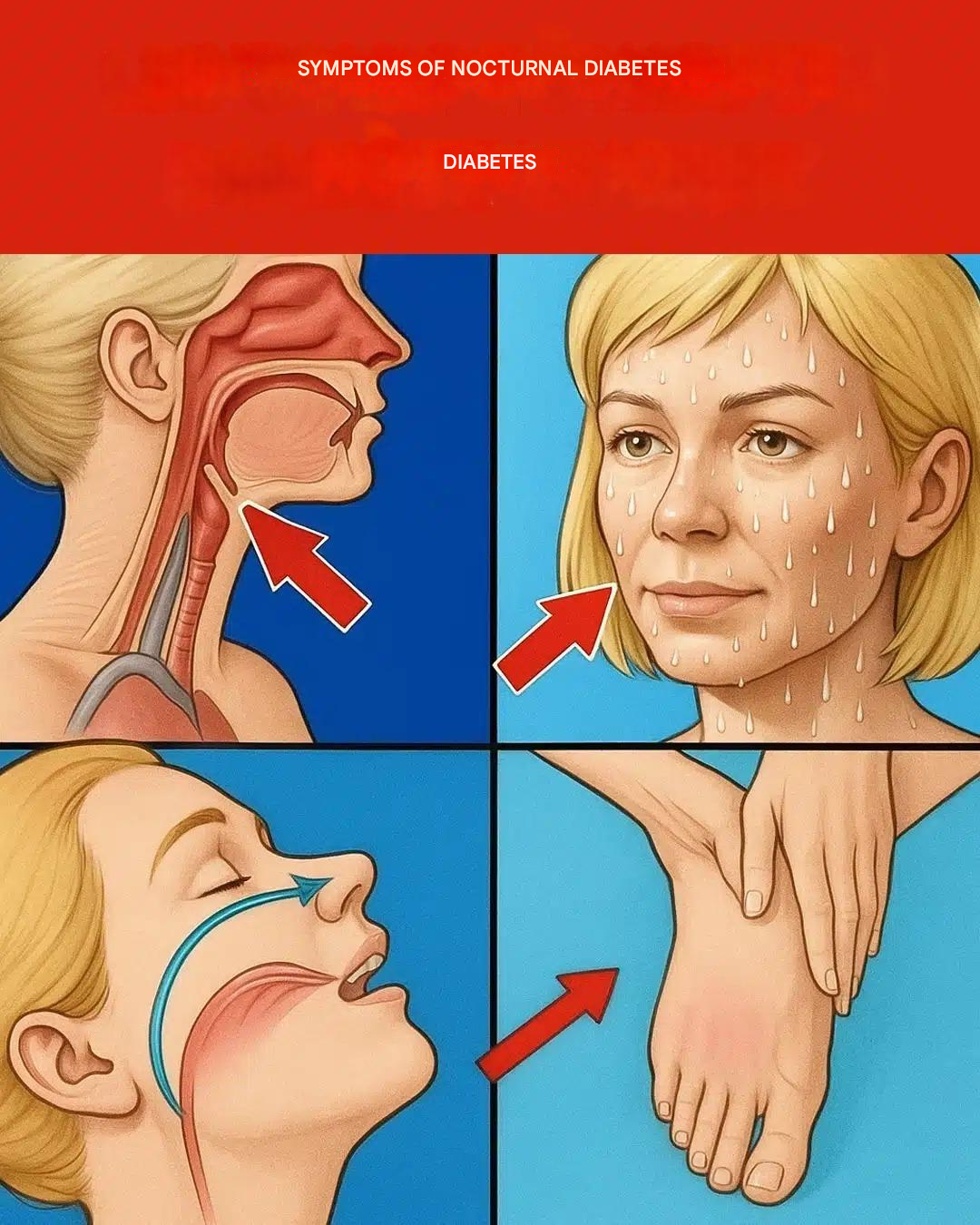
Waking up thirsty in the middle of the night? This could be another sign of diabetes. Fluid loss due to increased urination leads to dehydration, triggering intense thirst.
Why it happens: The body loses water through frequent urination, leaving you dehydrated even while you sleep.
What to do: Keep track of how often you feel thirsty at night. Drinking water helps temporarily, but persistent thirst requires further evaluation.
3. Tingling or numbness in your hands and feet
If you experience tingling, numbness, or pain in your hands and feet at night, it could be a sign of diabetic neuropathy, a type of nerve damage caused by high blood sugar levels.
Why it happens: Prolonged high blood sugar damages nerves, especially those in the extremities, causing discomfort.
What to do: Report any unusual sensations to your doctor promptly, as early intervention can prevent further nerve damage.
4. Night Sweats
Excessive sweating at night, even when the room temperature is comfortable, could indicate low blood sugar (hypoglycemia) or fluctuating glucose levels.
Why it happens: Hypoglycemia triggers the release of adrenaline, causing sweating, chills, or hot flashes.
What to do: Monitor your blood sugar if you already have diabetes. For those without a diagnosis, consult a doctor to identify possible underlying causes.
5. Tiredness or Restlessness
Do you feel unusually tired or restless at night despite getting enough sleep? Poor blood sugar management can disrupt restful sleep patterns.
Why it happens: Fluctuating glucose levels interfere with energy production and can leave you feeling exhausted or unable to relax.
What to do: Maintain consistent eating habits and monitor your sleep quality. Persistent fatigue should prompt you to consult your doctor.
When should you see a doctor?
While occasional discomfort such as waking up thirsty or needing to urinate only once may not necessarily indicate diabetes, the recurrence of these symptoms requires professional evaluation. Early diagnosis and management are crucial to preventing complications.
Preventing Nighttime Discomfort
